LONDON — Hypermobility disorders may be affecting hundreds of thousands of people in the UK, yet many are waiting years for answers about symptoms that include pain, fatigue, digestive problems and clumsiness. New research from the University of Edinburgh found that patients with hypermobile Ehlers-Danlos syndrome and Hypermobility Spectrum Disorders waited an average of 19 to 21.7 years for a diagnosis.
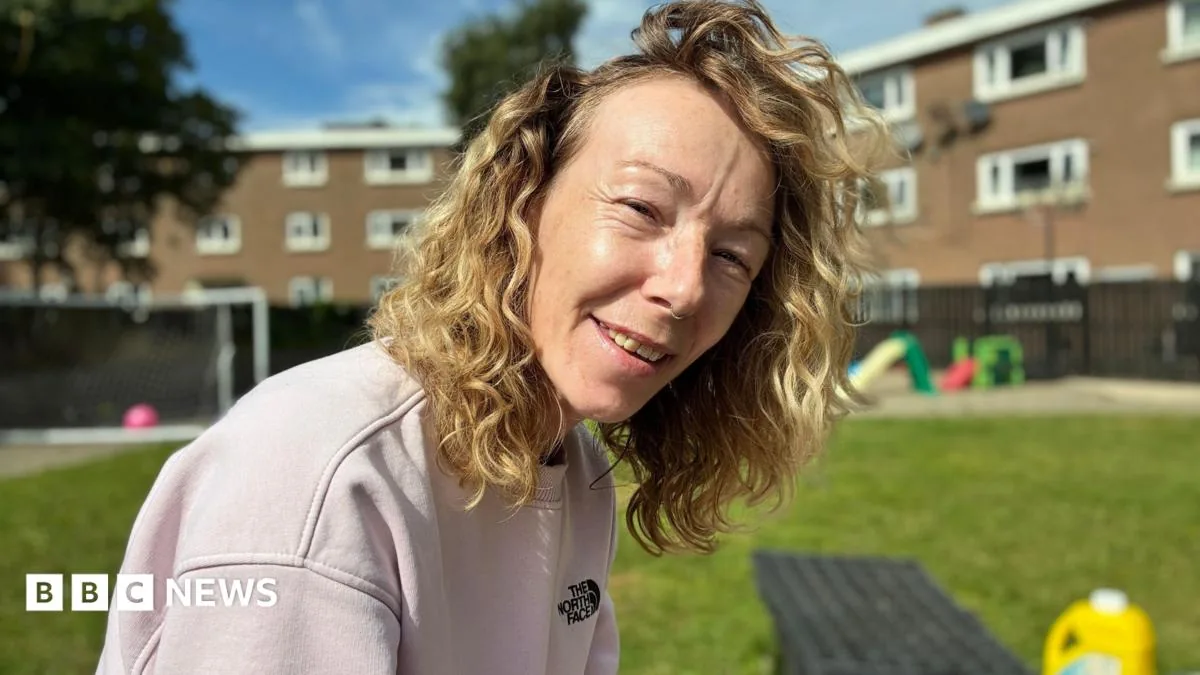
For people like Vivienne Duval, the pattern can be especially frustrating. She says her flexibility was always obvious, but it was not until her late 50s that she realised her bendy joints could explain a long list of health problems. After seeing a social media video about the condition, she went to her doctor and had her suspicions confirmed.
Why hypermobility can cause so many different symptoms
Hypermobility Spectrum Disorders are connective tissue disorders that cause joints to move through a greater range than normal. Because collagen is looser in the supporting tissues, muscles must work harder to keep joints stable. That can lead to fatigue, pain and a tendency to feel clumsy.
The condition can also affect the digestive system, where stretchier connective tissue may contribute to gastrointestinal symptoms. Researchers and clinicians have also identified links between hypermobility and neurodiversity, including autism and ADHD. Some people are diagnosed with hypermobile Ehlers-Danlos syndrome, or hEDS, which is identified by widespread connective tissue problems as well as musculoskeletal issues such as dislocations.
Vivienne says the diagnosis helped make sense of symptoms that had previously seemed unrelated. She had experienced problems with digestion, tiredness and pain for years before anyone joined the dots.
Years of waiting and a postcode lottery for assessment
Dr Jessica Eccles, a researcher on brain-body interactions and hypermobility, says getting assessed can depend heavily on where a patient lives and what services are available locally. She describes diagnosis as a “postcode lottery”, with some areas offering far more opportunities than others.
The difficulty is made worse because the National Institute for Health and Care Excellence does not have a dedicated standalone clinical guideline for diagnosing HSD. The University of Edinburgh research found that under a third of diagnosed patients said their GP had started management of the disorder, while only 13% said they had access to a knowledgeable clinician.
Dr Eccles says the evidence also suggests HSD and hEDS affect women more often, adding that women’s health conditions are still not as well researched as those affecting men.
How the condition affects work, mobility and confidence
Dr Stephanie Barrett, a consultant physician and rheumatologist, says many patients arrive in clinic feeling there is nowhere to turn. She regularly sees people who are unable to work because of severe brain fog linked to hypermobility, alongside the pain and exhaustion that come with it.
Luke Grindlay, 23, was diagnosed in primary school after teachers noticed he struggled with pens and cutlery. He says he has never really sought treatment, partly because he has not found enough reliable information and partly because he feels like an imposter when he tries to explain the pain.
Vivienne says her working life has also changed. She used to work as a massage therapist in workplaces, but could not stand for long or keep going without becoming exhausted. She now works with people living with dementia in a role that is less physically demanding.
What treatment can help, and why experts want more recognition
There is no single cure for HSD, but specialists say symptoms can be managed. Physiotherapy can help strengthen the muscles that support the skeleton, while gentle exercise such as swimming may also be useful. Dr Eccles says symptoms can sometimes worsen or become more obvious after a stressor such as puberty, menopause or, in some studies, Covid.
Dr Barrett says the standard advice to simply “do a bit of physio” and carry on is not enough for many patients. She argues that the condition needs more attention from clinicians and better recognition across the health system.
For Vivienne, the diagnosis brought both relief and anger. She says she had long felt unsupported and had been learning about the condition largely through social media. Her experience echoes that of many others who say the condition only made sense once someone finally connected the different parts of their health story.
The latest UK news and stories from MCFC Report.